
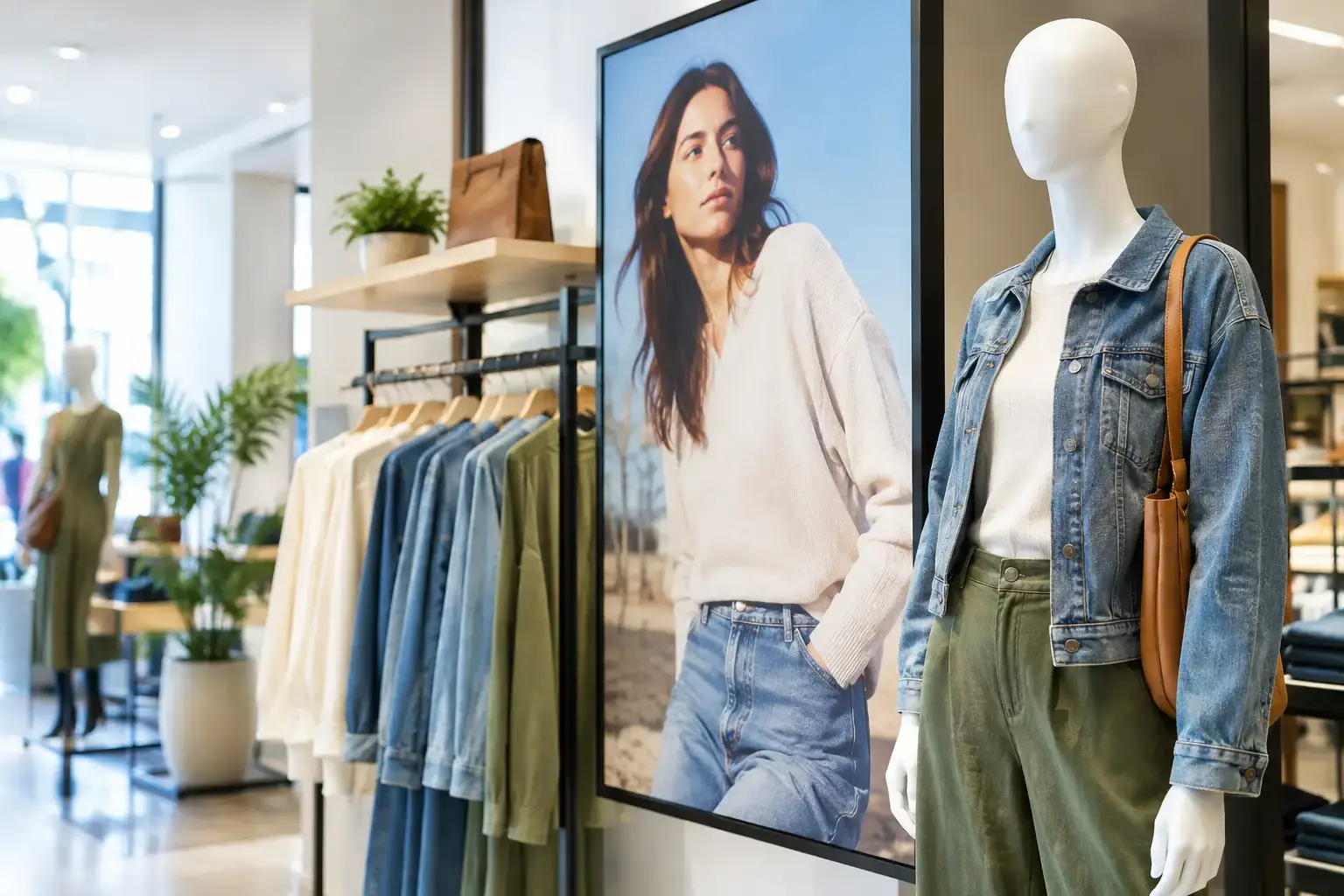
A shopper can decide whether to walk in, look around, or keep moving in a matter of seconds. Retail graphics give that decision a push. The right window display, wall mural, floor graphic, or branded checkout area does more than make a store look polished – it tells people what you sell, what matters to your brand, and where to go next.
For Charleston retailers, that first impression needs to work hard. Your storefront may be competing with foot traffic, neighboring businesses, parking-lot visibility, seasonal events, and a customer who is already looking at their phone. Strong graphics create a physical brand experience that is clear, memorable, and built to move people toward a purchase.
Retail Graphics Should Have a Job
Every graphic in your store should earn its space. A beautiful mural can create atmosphere, but if customers cannot find the fitting rooms, understand a promotion, or recognize your best-selling category, the environment is not doing its full job.
Start by deciding what each area needs to accomplish. Exterior graphics should attract attention and make your business easy to identify from a distance. Window graphics can promote a limited-time offer, show off a product category, add privacy, or keep the storefront active when the store is closed. Interior graphics should guide, inform, reinforce your brand, or create a moment customers want to photograph and share.
That does not mean every wall needs copy or every surface needs vinyl. Too much visual noise can make a retail space feel crowded and unfocused. The strongest approach balances high-impact moments with open areas that let products, displays, and customers breathe.
Plan Around the Shopper Journey
The best retail graphics follow the path customers naturally take through the space. Think less about decorating surfaces and more about directing attention at the right moment.
Start at the storefront
Your storefront has one job before anything else: make people want to enter. Large, readable branding matters most. If your logo, store name, or primary message disappears from across the sidewalk or parking lot, it is not working hard enough.
Window graphics are especially flexible because they can shift with promotions, seasons, product launches, and events. A full window wrap creates a bold visual statement and offers useful privacy. Perforated window film can carry colorful branding while allowing people inside to see out. Cut vinyl lettering is a clean option for hours, logos, service lists, and simple calls to action.
The right choice depends on natural light, the view into the store, local foot traffic, and how often your message changes. A luxury boutique may want restrained frosted graphics and elegant lettering. A food-service business may benefit from bright, high-contrast promotional graphics that make hungry customers stop.
Make the entry zone count
Once someone steps inside, they should immediately understand where they are and what makes the store different. This is a smart place for a feature wall, a concise brand statement, a menu of services, or a product-focused visual installation.
A branded entry wall can also solve a practical problem: it gives customers a natural orientation point. In a larger showroom, warehouse-style retail space, salon, or fitness studio, that visual anchor helps the location feel organized from the first step.
Guide customers through the store
Wayfinding graphics reduce friction. Department labels, directional wall graphics, aisle markers, fitting-room signs, and checkout messaging answer questions before a staff member has to. When customers can navigate comfortably, employees have more time for real conversations and sales support.
Floor graphics are useful when the message needs to appear directly in a customer’s path. They can lead visitors toward a new collection, point to a pickup area, create a line-management system, or promote a special event. They need to be installed with the correct slip-resistant material and placed where foot traffic will not make them feel like clutter.
Choose the Right Surface for the Message
Retail environments offer more branding opportunities than most owners realize. Walls, windows, doors, counters, floors, coolers, shelving, mirrors, and display fixtures can all become purposeful brand touchpoints.
Wall wraps are ideal for high-impact storytelling. Use them to create a signature backdrop, showcase a lifestyle image, establish a color palette, or transform an ordinary back wall into a visual destination. They work particularly well in salons, boutiques, gyms, restaurants, showrooms, and service businesses where the environment is part of what customers buy.
Window graphics perform best when the message needs visibility before a customer enters. They can announce a grand opening, promote seasonal inventory, reinforce your logo, or turn unused glass into a bold street-facing advertisement.
Counter and fixture graphics are smaller, but they are close to the moment of purchase. A branded checkout counter, wrapped product pedestal, or clear promotional decal can support add-on sales without competing with the main display. For retailers with multiple locations or frequent product rotations, these smaller applications can be an efficient way to keep branding consistent.
Build a Visual System, Not a Collection of Signs
A great store does not need identical graphics everywhere. It needs a consistent system. Customers should recognize the same brand whether they see a window graphic, a wall mural, a dressing-room sign, or a floor decal.
Keep the key elements aligned: logo use, color choices, typography, photography style, and voice. If your brand is energetic and playful, let that show in the graphics. If your business depends on expertise and trust, use a cleaner hierarchy with confident messaging and easy-to-read information.
Readability is where many retail projects lose momentum. A graphic may look impressive on a computer screen but fail when viewed from 20 feet away. Short headlines, strong contrast, and intentional spacing are usually more effective than trying to say everything at once. Let a customer absorb the main message quickly, then provide detail closer to the product or service area.
For businesses with changing promotions, design a core brand system first. Permanent pieces can establish your identity while replaceable window decals, wall panels, and point-of-purchase graphics handle seasonal campaigns. That approach protects the budget while keeping the store fresh.
Design for Real Retail Conditions
Retail graphics have to handle more than a photo shoot. They may face direct sun, moisture, cleaning products, frequent touches, rolling carts, customer traffic, and regular display changes. Material selection matters just as much as design.
A south-facing storefront may need a different vinyl and laminate approach than an interior wall. A restaurant counter needs graphics that can tolerate routine cleaning. A floor application requires material designed for traction and wear. A temporary sale graphic should be easy to remove cleanly, while a long-term exterior graphic needs durability that matches the investment.
Installation also matters. Uneven walls, textured surfaces, glass seams, door handles, trim, and existing fixtures all affect the final result. Measuring before design is finalized prevents awkward cropping, tiny type, misplaced logos, and last-minute compromises. Charleston Wraps approaches every project as a custom installation because the actual surface is part of the design equation.
Use Seasonal Updates Without Starting Over
Seasonal graphics give customers a reason to look again. They can support holiday shopping, spring collections, local events, back-to-school campaigns, grand openings, and limited-time offers. The goal is not to redecorate the entire store every few months. It is to refresh the places customers notice first.
A new window campaign paired with a few interior promotional graphics can change the energy of a space quickly. For a retailer with a major annual event, a temporary photo backdrop or branded floor element can turn a promotion into an experience customers remember.
Plan these updates early. Rushed production can limit material choices, installation windows, and creative options. A simple promotional calendar helps identify which graphics should be permanent, which should be seasonal, and which should be designed for quick replacement.
Measure What the Graphics Are Doing
Retail graphics are a branding investment, but they can also support measurable business goals. Before installation, decide what success looks like. That may be more walk-in traffic, stronger awareness of a service, increased sales in a featured category, more event signups, or more customer photos and social posts.
Ask staff what customers mention when they enter. Track whether a promoted product moves faster after a display update. Compare foot traffic during a window campaign with a similar period before it. For service businesses, add a simple question at checkout or during intake: How did you hear about us?
Not every result will appear in a spreadsheet immediately. A recognizable, well-designed environment builds confidence over repeated visits. But the best graphics do more than look good – they make the store easier to shop, easier to remember, and easier to recommend.
Before your next retail update, walk your space as if you were a first-time customer. Notice what grabs attention, what creates confusion, and what tells your brand story without a single employee saying a word. That is where a smart graphics project begins.