
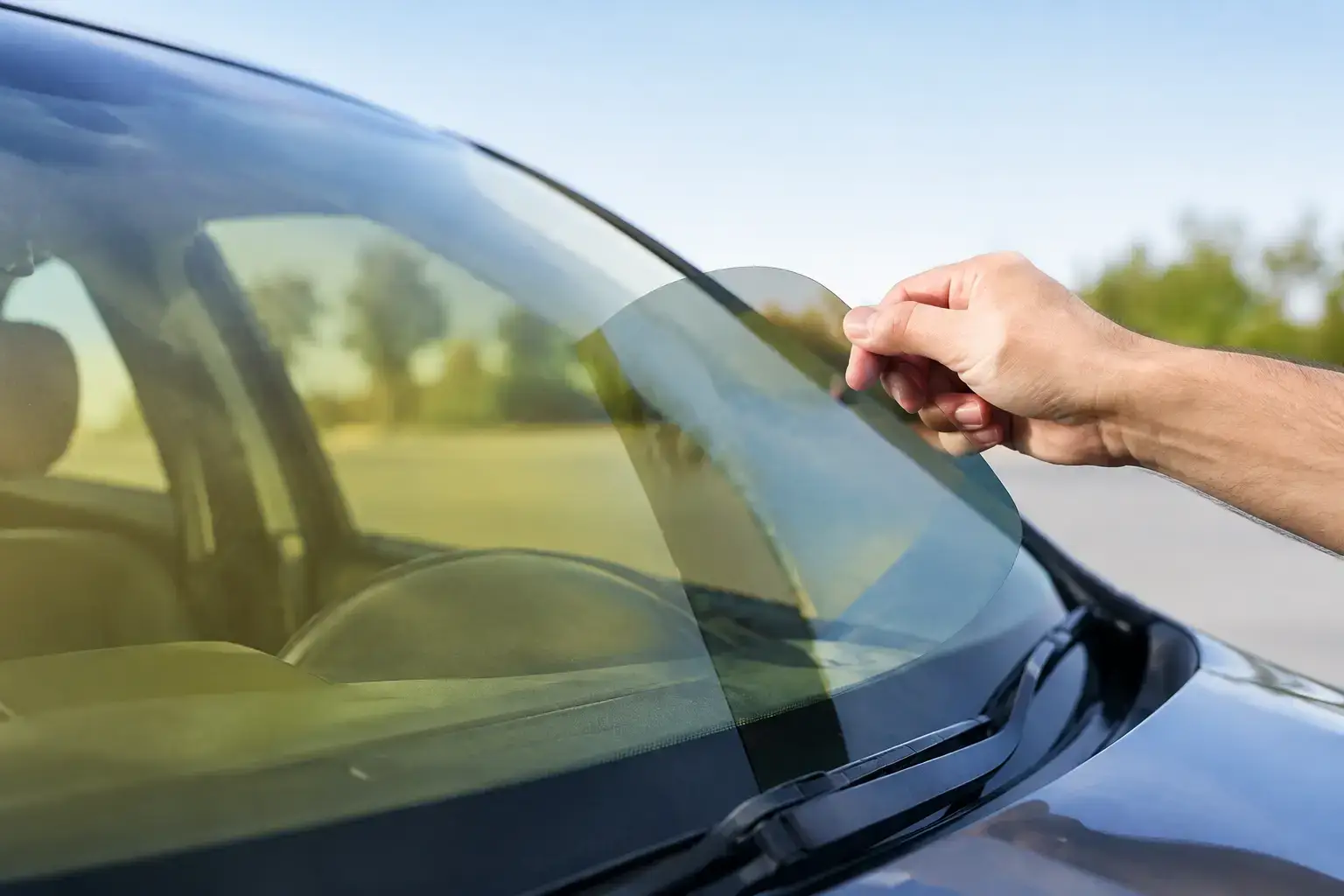
A clear paint protection film should disappear into your vehicle’s finish, not turn a clean white bumper, hood, or mirror cap into a dull yellow eyesore. So, can film yellow? Yes, it can – but the reason, timeline, and solution depend heavily on the type of film, its quality, where it was installed, and how the vehicle is maintained.
For Charleston drivers, that question matters. Strong sun, humid air, salt exposure near the coast, road grime, and long outdoor parking hours can be tough on any exterior surface. The good news is that premium modern paint protection film is built to resist yellowing far better than older products. A quality installation and realistic care routine make a major difference.
Can Paint Protection Film Yellow?
Paint protection film, often called PPF or clear bra, is a transparent urethane film applied over painted surfaces. Its job is practical: help defend paint against rock chips, light scratches, bug splatter, road debris, and everyday wear. When it stays clear, it protects the finish without changing the vehicle’s color.
Lower-grade films and older generations of PPF have a greater risk of developing a yellow or amber cast over time. This is easiest to spot on white, silver, light gray, and pearl-colored vehicles. On a dark truck or black SUV, yellowing may be less obvious at first, but the film can still look hazy, aged, or uneven compared with unprotected panels.
Modern premium PPF uses improved topcoats, UV inhibitors, and non-yellowing adhesive systems. That does not mean it is invincible. It means the film is better equipped to handle normal exposure when it is selected, installed, and cared for correctly.
Why Protective Film Turns Yellow
Yellowing is usually not caused by one bad wash or one hot afternoon. It is a gradual process driven by exposure, material quality, and contamination. The most common causes include:
- UV exposure: Sunlight breaks down inferior films and adhesives over time. Charleston’s bright coastal conditions can speed up that aging process when a vehicle lives outside.
- Oxidation and chemical exposure: Pollution, salt air, tree sap, bug residue, fuel drips, and harsh cleaners can stain or degrade a film’s surface.
- Low-quality materials: Bargain films may lack the stable topcoat and UV protection needed for long-term clarity.
- Improper installation: Poor edge sealing, trapped contamination, or an adhesive issue can create discoloration that looks like yellowing.
- Vehicle paint conditions: Oxidized paint, prior bodywork, or uneven paint color beneath the film can affect how clear film appears after installation.
There is also an important distinction between yellow film and a dirty film. Road film, embedded grime, mineral deposits, and neglected bug splatter can make clear PPF look dull or discolored. Professional cleaning may improve the appearance. True material yellowing, however, will not wash away.
Yellowing Is Not Always the Film
Before assuming the PPF has failed, look closely at the surrounding paint. If the protected panel is still glossy and the uncovered paint next to it has faded, the contrast can make the film seem yellow even when it is clear. This can happen on older vehicles or panels that receive uneven sun exposure.
A trained installer can inspect the edges, topcoat, adhesive, and paint condition to identify what is actually happening. That matters because the right next step may be cleaning, paint correction, partial replacement, or complete film removal and reinstallation.
Does Vinyl Wrap Yellow Too?
Vinyl wraps and paint protection film do different jobs, so they should not be judged by exactly the same standard. PPF is typically clear and protective. Vinyl wrap is primarily a color-change, graphic, or branding material, though it also provides a modest layer of surface coverage.
Can film yellow when it is vinyl? Clear vinyl and light-colored vinyl can discolor, particularly when low-grade material is used or a vehicle sits outdoors for years without care. White wrap can also appear yellow because of contamination, oxidation, tobacco residue, diesel soot, or staining from neglected pollutants.
For commercial vehicles, this matters beyond appearance. A white fleet wrap that looks dingy can make a company logo, phone number, or service message harder to notice. Your truck, van, trailer, or food trailer represents your business in parking lots, neighborhoods, job sites, and traffic. It should look sharp from the first impression to the final mile of the workday.
Premium cast vinyl and quality overlaminates are designed for demanding exterior use, but they still have a service life. A wrap is not permanent paint, and PPF is not permanent armor. Choosing the right material for the application is the honest way to protect both the vehicle and the investment.
How to Reduce the Risk of Yellowing
Start with professional-grade film matched to the job. A high-impact front bumper needs a tough, clear PPF designed for road debris. A full color change needs premium wrap film with the correct finish and installation method. A boat needs marine-appropriate graphics that can stand up to sun, water, and dock life. The best material is not simply the cheapest roll that looks good on day one.
Installation matters just as much. Proper surface preparation removes wax, oils, contaminants, and residue that can interfere with adhesion or create a compromised finish. Skilled installers also know where to place seams, how to wrap edges when appropriate, and how to avoid unnecessary tension that can shorten the life of the material.
Once the film is installed, keep it clean. Wash away salt, pollen, bug splatter, bird droppings, and tree sap before they sit on the surface for long periods. Use pH-balanced automotive wash products and soft microfiber towels. Avoid abrasive pads, aggressive solvents, and harsh degreasers unless a film manufacturer specifically allows them.
Parking in a garage or under cover helps, especially for vehicles that are not driven daily. That said, a work truck has to work. If your commercial vehicle spends every day outdoors, the goal is not perfect conditions. The goal is choosing a film designed for the exposure, cleaning it regularly, and planning for replacement when the material reaches the end of its useful life.
When Yellow Film Should Be Replaced
A faint surface haze may respond to professional cleaning or decontamination. Yellowing that runs through the film, remains after cleaning, or appears uneven from panel to panel is usually a replacement conversation.
Do not wait until the film is cracking, lifting, or brittle if you can avoid it. Aging film can become more difficult to remove, and neglected edges can collect dirt that makes the problem more visible. Replacing a compromised section early can restore a clean appearance while protecting the underlying paint.
Partial replacement is often practical for front bumpers, mirror caps, rocker panels, door edges, or a single damaged section. For a full vehicle wrap with widespread fading or discoloration, replacing the full design may produce the best color consistency. The right answer depends on the age of the film, the vehicle’s paint, and whether matching the existing finish is realistic.
Choose Film That Still Looks Good on the Road
The real value of PPF and vinyl is not just how it looks after installation. It is how it performs through commutes, job sites, school pickups, marina days, and Charleston summers. Premium materials cost more upfront because they are engineered to stay clearer, cleaner, and more stable under real conditions.
Charleston Wraps can help assess whether you are seeing actual yellowing, surface contamination, paint contrast, or an aging wrap that has reached its limit. Bring a few clear photos of the affected areas, along with the vehicle year, film age, and details about where it is parked and driven. A straightforward inspection can turn an uncertain yellow patch into a clear plan for protecting the finish and keeping your vehicle looking ready for the road.