
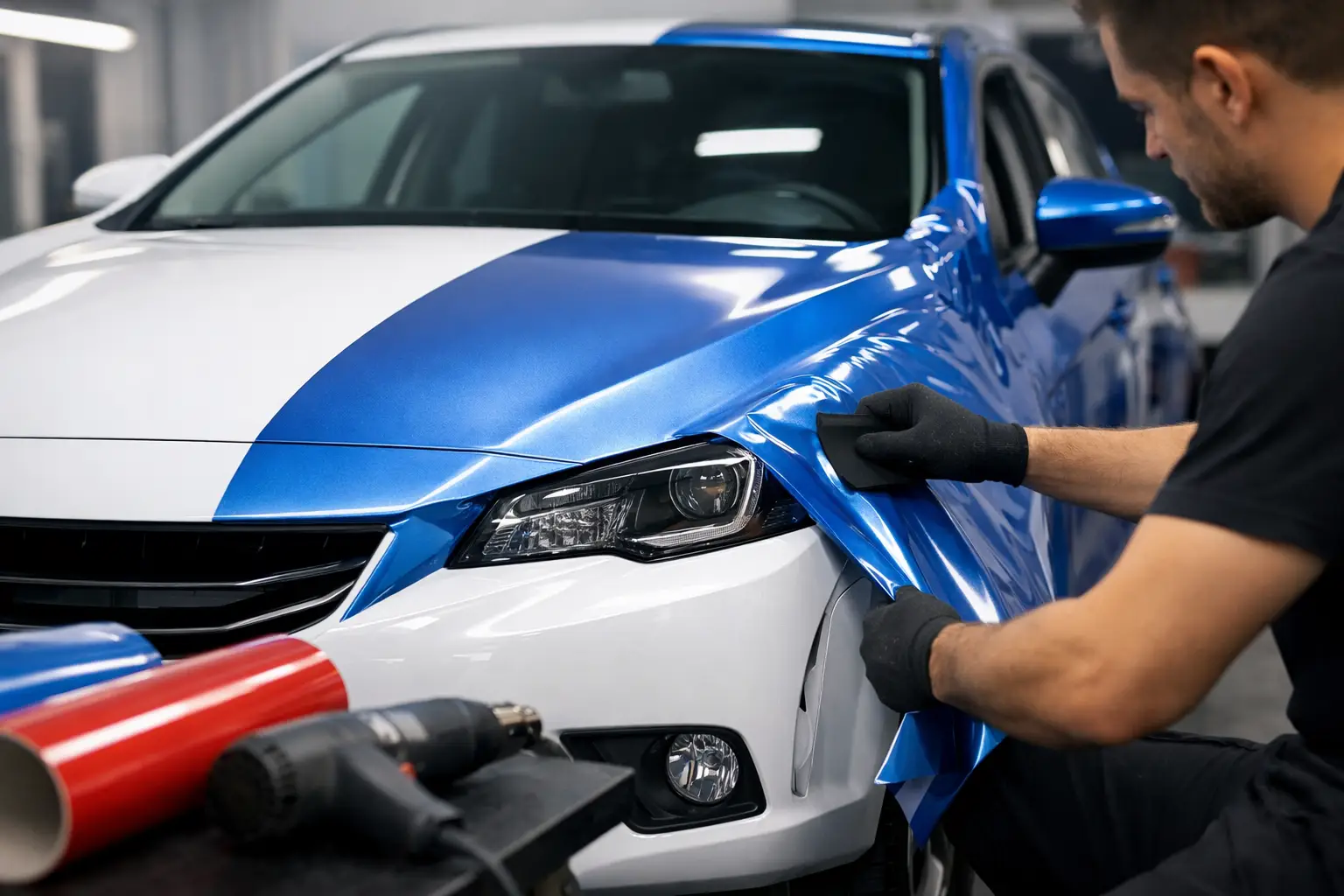
That black sedan you bought three years ago may still run perfectly, but if it disappears in every parking lot, it may no longer feel like yours. A full car color change wrap gives you the freedom to make a serious visual change without committing your factory paint to a permanent repaint. From satin charcoal and gloss metallics to color-shifting films and clean chrome deletes, the right wrap can make a familiar vehicle feel completely new.
For Charleston drivers, the appeal is bigger than a fresh look. Quality vinyl can act as a sacrificial layer between your paint and everyday abuse from road grit, minor scratches, sun exposure, and the salt air that comes with coastal living. It is not paint protection film, and it is not indestructible, but a professionally installed color change wrap gives your vehicle style with practical upside.
What a Full Car Color Change Wrap Actually Covers
A full color change is designed to transform the visible exterior of your car, truck, SUV, or van. Most projects cover painted body panels, including the hood, roof, doors, fenders, bumpers, trunk, and mirrors. The goal is a finished result that looks intentional from every angle, not a collection of vinyl panels applied over the original color.
How far the wrap extends into door jambs, under the hood, around trunk openings, and behind removable trim depends on the vehicle and the scope you choose. A standard exterior wrap can create a dramatic transformation while leaving the original color visible in certain recessed areas. A more comprehensive color-change package takes additional disassembly, material, and installation time to conceal more of those transitions.
That distinction matters. If you are changing a white vehicle to a deep matte black, visible white door jambs may stand out more than they would with a lighter or similar-color wrap. During planning, decide whether your priority is a high-impact exterior upgrade, a near-complete color conversion, or something in between.
Why Drivers Choose a Full Car Color Change Wrap
The obvious reason is personal style. Vinyl gives you finishes that are difficult, expensive, or impractical to achieve with conventional paint. Satin finishes soften reflections without looking flat. Gloss wraps can deliver a rich, polished look. Metallic, pearl, carbon fiber, brushed, camouflage, and color-shifting films let owners create a vehicle that does not look factory-issued.
The other advantage is flexibility. When the wrap reaches the end of its useful life or your taste changes, a properly installed, properly maintained wrap can generally be removed. That makes it appealing for leased vehicles, enthusiast cars, and drivers who want a bold look without permanently changing the original finish.
There is also a preservation factor. A wrap covers painted surfaces and can help reduce the cosmetic effects of light abrasion and normal road exposure. It will not replace dedicated paint protection film in high-impact areas, and it will not prevent damage from a serious collision, deep scrape, or neglected paint beneath the film. Still, for many owners, keeping factory paint in better condition is part of the value.
Wrap vs. Paint: The Trade-Off Is Real
A color change wrap is not automatically the better choice for every vehicle. Repainting may make more sense when the existing bodywork needs major repair, when the owner wants a permanent custom finish, or when paint quality is already too compromised for a reliable wrap installation. Vinyl conforms to the surface beneath it. It does not erase dents, flaking clear coat, corrosion, rough repairs, or failing paint.
Wrapping is often the stronger option when the vehicle has sound factory paint and you want choice, speed, reversibility, and surface coverage. It also opens the door to details that can sharpen the overall look, such as blacked-out window trim, wrapped roof panels, custom stripes, or a coordinated grille treatment.
A good installer should be direct about what the vehicle needs before work begins. Surface preparation is not a minor detail. It is what helps the film lay cleanly, adhere correctly, and look great after the vehicle leaves the shop.
Choosing the Right Finish for Your Vehicle
The best color is not always the loudest one. Think about the vehicle’s body lines, how you use it, where it is parked, and how much maintenance you are willing to handle. Gloss black can look exceptional when clean, but it shows dust, water spots, and swirl marks more quickly than many lighter colors. Matte and satin finishes hide some visual noise while requiring specific cleaning habits to avoid shiny patches or staining.
For a truck, SUV, or performance car, a dark satin finish with a chrome delete can create a strong, purposeful look. For a daily driver, a metallic gray, deep blue, or pearl white may offer a custom feel without making every speck of pollen the main event. Color-shifting films are designed for owners who want attention, especially in changing sunlight, while subtle wraps reward a closer look.
The right finish should fit the vehicle and the owner. A wrap that looks incredible on a weekend sports car may not be the practical choice for a contractor’s work truck that sees job sites every day.
Don’t Ignore Trim, Badges, and Door Jambs
The details make or break a color change. Bright chrome trim can either complement a new finish or clash with it. Factory badges may be reinstalled, removed, blacked out, or replaced depending on the look you want. Mirrors, handles, roof rails, and grille pieces should be discussed before design and installation begin.
Door jambs deserve the same conversation. They add cost and labor, but they can also make a dramatic color change look more complete. There is no one right answer. It depends on your budget, the original paint color, and how close you expect people to inspect the vehicle.
What Professional Installation Should Look Like
A premium wrap is not simply cut and stuck onto a vehicle. The process starts with a close inspection of paint condition, body damage, previous repairs, trim, and problem areas. The vehicle is thoroughly cleaned and decontaminated so the film adheres to the surface rather than dirt, wax residue, or road film.
Panels are measured, material is planned, and sections of trim may be carefully removed when needed for cleaner edges and better coverage. Installers use heat, tension, and technique to form the vinyl around curves, recesses, bumpers, and complex body lines. Clean edges, controlled seams, and proper post-heating are signs of work built to last.
At Charleston Wraps, every color-change project is treated as a custom vehicle transformation, not an off-the-shelf accessory. The vehicle type, desired finish, coverage level, paint condition, and detail preferences all affect the plan. That hands-on approach helps avoid surprises and gives you a better idea of what the finished vehicle will look like before installation starts.
How Long Does a Color Change Wrap Last?
Wrap life depends on the film, installation quality, climate, storage, maintenance, and how the vehicle is used. A garage-kept weekend vehicle will generally have an easier life than a daily driver that spends every day in direct sun, under trees, near salt air, or on rough roads.
Charleston’s heat, humidity, pollen, thunderstorms, and coastal conditions make care especially worthwhile. Wash the vehicle regularly with wrap-safe products, rinse away bird droppings and tree sap quickly, and avoid abrasive brushes. Hand washing is typically the safest approach. If you use a pressure washer, keep the spray moving and avoid directing high pressure at edges, seams, or lifting areas.
Ceramic coatings formulated for vinyl can make cleaning easier and enhance the finish, but they do not eliminate maintenance. Matte, satin, and textured films require extra care because aggressive polishing and harsh chemicals can permanently alter their appearance.
Questions to Ask Before Booking Your Wrap
Before committing to a full color change, ask how much coverage is included, whether door jambs are part of the scope, how damaged paint will be handled, and what aftercare is recommended for your chosen finish. You should also ask about realistic turnaround time, whether trim removal is necessary, and how to prepare the vehicle before drop-off.
Bring reference photos, but stay open to professional guidance. Lighting can change the way a film looks, and a color that feels perfect on a small sample may read differently across the full side of an SUV or truck. Seeing larger material swatches and discussing the vehicle’s lines will help you choose with confidence.
A full car color change wrap should feel like more than a new shade in the driveway. Choose a finish that fits how you drive, protect the surfaces that matter, and work with an installer who pays attention to the edges, transitions, and details that make the transformation hold up long after the first reveal.