
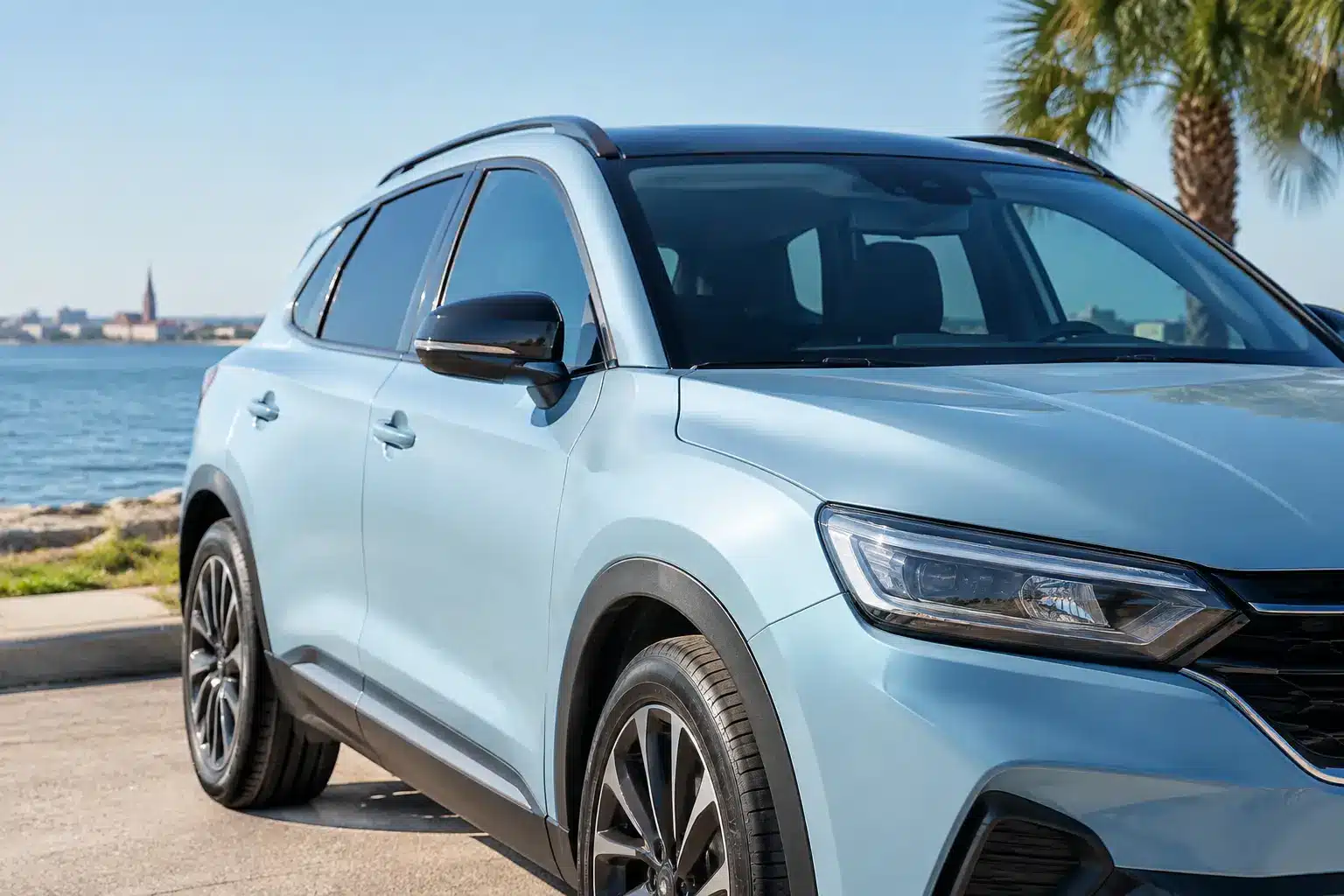
A wrap can make a work truck impossible to miss on I-26, give a boat a completely new presence at the marina, or turn a plain vehicle into something that feels entirely yours. But Charleston heat, UV exposure, salt air, and regular road grime are real factors. So, do wraps fade? They can, especially when inferior materials, harsh conditions, and neglected maintenance stack up. A premium wrap installed and cared for correctly, however, is built to hold its color and impact for years.
For business owners, that matters beyond appearance. A faded logo or washed-out vehicle graphic weakens the professional impression your mobile advertising should create. For car and boat owners, it means the difference between a color change that stays sharp and one that starts looking tired before it should.
Do Wraps Fade in Charleston?
Yes, all printed graphics and colored films experience some aging over time. The better question is how quickly that change happens and whether it is noticeable during the expected life of the wrap.
Charleston puts wraps to work. The region gets intense sunshine for much of the year, high humidity, summer heat, sudden rain, coastal salt, and plenty of pollen. A vehicle parked outside every day or a boat kept near saltwater gets substantially more exposure than one stored in a garage or covered slip. Horizontal surfaces such as hoods, roofs, trunk lids, and boat decks also take more direct UV punishment than vertical panels.
That does not mean a wrap is the wrong choice for the Lowcountry. It means material selection, installation quality, and care are part of the project from day one. The right film and protective laminate can help a commercial wrap, color-change wrap, or marine graphic stay vibrant through the conditions it is designed to face.
What Actually Causes Wrap Fading?
Sunlight is the primary cause. Ultraviolet rays gradually break down pigments and can dull the finish of vinyl over time. Dark colors may show fading more clearly, while bright reds, oranges, and certain specialty finishes can be more sensitive to prolonged exposure. Printed wraps have another variable: the quality of the ink system and the laminate protecting the print.
Heat accelerates the process. A black truck parked in an open lot in July can reach extreme surface temperatures, placing extra stress on the film and adhesive. Heat alone does not automatically ruin a wrap, but it makes premium materials and correct installation more valuable.
Salt is especially relevant for Charleston boat owners. Salt spray, salty residue, and moisture can sit on a hull or graphic after a day on the water. Left in place, that buildup can make the surface look dull and create unnecessary wear. The same applies to vehicles that regularly travel near the coast, launch boats, or work in marine and construction environments.
Improper cleaning causes avoidable damage, too. Aggressive brushes, abrasive compounds, strong solvents, and neglected contaminants can scratch or haze a wrap. A scratched surface reflects light differently, which can look like fading even when the underlying color remains intact.
Material Quality Makes a Visible Difference
Not all vinyl is made for the same job. Promotional films and lower-cost calendared vinyl can be appropriate for short-term graphics, decals, or limited applications. They are not the same as premium cast vinyl designed to conform to vehicle curves, resist outdoor exposure, and maintain a polished finish over the long haul.
For full vehicle wraps, commercial fleet graphics, boat wraps, and major color changes, quality film is an investment in appearance. A compatible laminate adds another layer of defense for printed graphics, helping protect against UV exposure, minor scuffs, moisture, and contaminants. It also affects the finished look, whether you want gloss, satin, matte, metallic, or a more distinctive texture.
There is a trade-off worth understanding. Specialty colors, chrome, fluorescent films, and some highly textured finishes can create a bigger visual statement, but they may have different care requirements and expected outdoor durability than a standard gloss film. That does not make them a poor choice. It means the project should match the intended use, parking situation, and how long you want the finish to perform at its best.
Installation Protects the Investment
A great film cannot overcome a rushed installation. Proper preparation matters because dirt, wax, oxidation, moisture, and damaged paint can interfere with adhesion. On boats, surface condition and marine-specific details matter just as much. Every curve, rivet, seam, door edge, hull contour, and panel transition needs thoughtful planning.
Correct installation also helps prevent lifting edges and water intrusion, which can trap grime and affect how the wrap ages. A clean finish is not only about looking good on pickup day. It is about giving the film the best chance to stay stable and attractive in real-world use.
At Charleston Wraps, projects are built around the actual surface and application, whether that is a contractor van, box truck, food trailer, personal vehicle, boat, storefront, or event floor. That approach matters because a one-size-fits-all material or design strategy rarely produces a one-size-fits-all result.
How Long Should a Wrap Keep Its Color?
The honest answer is: it depends on the film, application, exposure, and maintenance. A professionally installed, premium vehicle wrap can provide several years of strong visual performance. A garaged personal vehicle will typically age differently from a fleet truck parked outside every night. A boat stored on a lift in direct sun will face a different challenge than one kept under cover.
For commercial vehicles, the goal is usually to maintain a crisp, recognizable brand presence throughout the planned advertising life of the wrap. If your vehicle earns 30,000 to 70,000 daily views, the graphics need to look intentional, not faded or neglected. Planning a refresh on a realistic schedule keeps your fleet working as a high-visibility marketing asset.
For personal and marine wraps, longevity is often tied to the owner’s expectations. If you want a temporary style change for a few years, you may choose differently than someone seeking the most conservative color and finish for long-term outdoor exposure.
Keep Your Vehicle or Boat Wrap Looking Sharp
Regular care is simple and pays off. Rinse away salt, dust, pollen, bird droppings, fuel residue, and bug splatter as soon as practical. These contaminants are more than cosmetic, especially when they bake onto a hot surface.
Hand washing with a mild automotive soap, clean water, and a soft microfiber cloth is a safe approach for most wraps. Avoid abrasive pads, harsh degreasers, petroleum-based solvents, and automatic car washes with stiff spinning brushes. Touchless washes can be a better option when hand washing is not practical, but keep high-pressure water away from seams and edges.
After time on the water, rinse your boat thoroughly with fresh water. This is one of the easiest ways to reduce the effects of salt exposure. For vehicles that live outdoors, covered parking, a garage, or even strategic shade can reduce the daily UV load. Do not cover a wet, dirty wrap for long periods, though. Clean and dry the surface first.
If you notice lifting, deep scratches, cracking, cloudy areas, or a section that has taken a hard hit from road debris, address it early. Small repairs or panel replacements are often more straightforward before damage spreads or contamination reaches an edge.
Wraps Versus Paint Protection Film
A color wrap and paint protection film serve different primary purposes. A wrap is the visual transformation: brand graphics, a color change, a boat name, bold stripes, or a custom design that earns attention. Paint protection film is typically clear and designed to help defend paint from rock chips, road debris, light scratches, and other daily wear.
For some vehicles, the strongest plan uses both. You may use a wrap to create the look and add protection in high-impact areas where appropriate. The right recommendation depends on the vehicle, its condition, how it is used, and whether your priority is advertising, style, preservation, or all three.
A wrap should never be treated like a disposable decal. Choose film that suits Charleston conditions, give it professional installation, and keep contaminants from sitting on the surface. Your truck, boat, or custom vehicle can keep making the right impression long after the first reveal.