
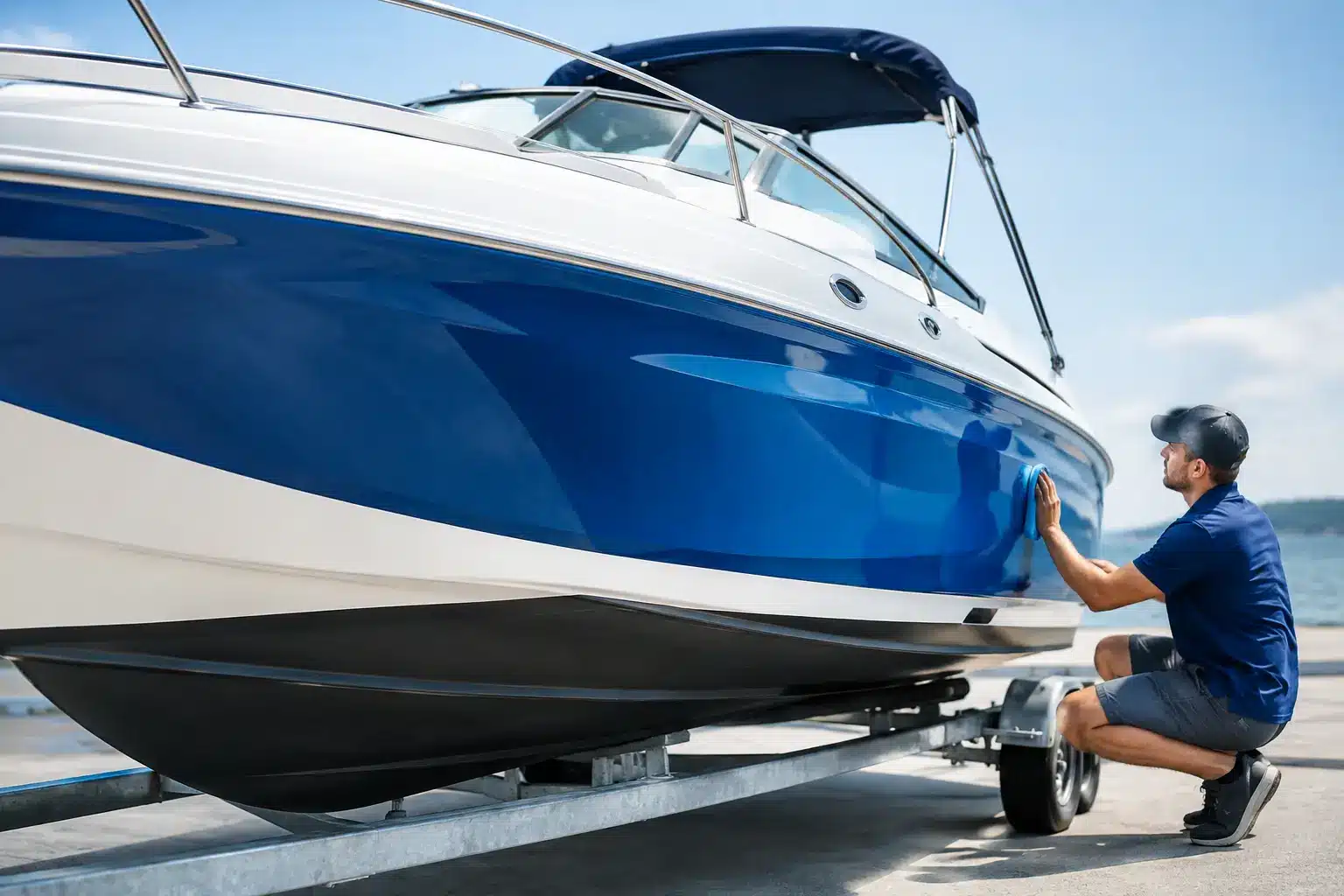
A boat wrap can make a center console, pontoon, sportfish, or skiff look completely new without committing to a permanent paint job. But boat wrap durability is not just about choosing a color or an eye-catching graphic. It comes down to the materials behind the design, the condition of the hull, the installation process, and what happens after the boat leaves the dock.
For Charleston boat owners, that last part matters. Strong sun, salt spray, humidity, sandy launches, and long days on the water can be tough on any exterior finish. A professionally installed marine wrap is built to handle the environment, but it still needs the right setup and reasonable care to keep looking like the catch of the day.
How Long Does Boat Wrap Durability Last?
A quality boat wrap often lasts five to seven years, and sometimes longer when the boat is stored well and maintained consistently. That range is a practical expectation, not a promise that every boat will age exactly the same way. A wrapped boat that lives on a covered lift and gets rinsed after use will usually hold up better than one that stays exposed at a marina year-round.
The orientation of the wrapped surface also affects the timeline. Vertical hull graphics generally receive less direct sunlight than flat deck areas, gunwales, or horizontal panels. Dark colors, especially black and deep blue, absorb more heat and may show wear sooner than lighter finishes. Metallics, textured films, and specialty finishes can look incredible, but they may require more thoughtful cleaning than a standard gloss color.
It also helps to separate the wrap’s appearance from its adhesion. A wrap may remain firmly attached while its finish gradually loses some gloss after years of UV exposure. On the other hand, a wrap can show early lifting if it was applied over poor surface conditions, even if the film itself is premium. Both the product and the process matter.
What Makes a Boat Wrap Last?
The Right Film for a Marine Surface
Not all vinyl is made for the same job. Short-term promotional vinyl and inexpensive calendared materials are not the right choice for a high-visibility boat transformation. Marine applications call for high-performance cast vinyl designed to conform to curves, resist outdoor exposure, and maintain color over time.
A good wrap system also includes a compatible laminate when the design calls for printed graphics. That clear protective layer helps guard the printed ink against UV fade, minor abrasion, moisture, and routine cleaning. It is one reason a full custom design can stay vivid far longer than an unprotected graphic.
Material selection should fit the project. A simple boat name or transom graphic has different demands than a full hull color change. A large offshore boat with complex contours, rivets, rails, and hardware has different installation considerations than a smooth-sided bay boat. The best result starts with matching the film and finish to the boat, not forcing one product into every application.
Proper Surface Preparation
Vinyl adheres to clean, sound surfaces. Wax, silicone-based protectants, oxidation, fuel residue, old adhesive, and heavy grime can all interfere with adhesion. Before installation, the surface needs to be thoroughly cleaned and prepared so the wrap bonds to the boat rather than to whatever was left on the gelcoat.
Condition matters, too. A wrap can cover a faded finish and give it a major visual upgrade, but it cannot repair unstable paint, loose clear coat, deep gouges, or failing gelcoat. Those issues should be addressed before wrapping. Otherwise, the problem underneath can affect the look and life of the finished project.
This is one of the biggest trade-offs boat owners should understand. Wrapping is often faster and more cost-effective than a full repaint, but it is not a shortcut around necessary repair work. A clean, stable hull gives the vinyl the best chance to perform as intended.
Skilled Installation Around Curves and Edges
The difference between a wrap that looks great at pickup and one that stays sharp through boating season is often in the details. Complex curves, chine lines, hatches, recessed areas, and tight edges require careful material handling. Overstretching vinyl during installation can reduce its long-term performance, especially in heat.
Experienced installers know where to use relief cuts, how to finish edges, and when a panel should be designed around hardware rather than pushed underneath it. Seams can be part of a clean, professional installation on large or complex boats. They should be planned strategically, not treated as an afterthought.
At Charleston Wraps, every boat project starts with the specific vessel, wrap scope, and design goals in mind. That approach helps create a finish that fits the boat’s lines instead of looking like a flat graphic placed on a curved surface.
Charleston Sun, Salt, and Storage Conditions
Charleston boating is hard to beat, but the local climate asks more of exterior graphics. UV exposure is the biggest long-term factor in color fade and surface wear. Saltwater and salt air can leave residue on the wrap, while heat and humidity can make neglected edges more vulnerable over time.
A covered lift, garage, or dry stack is one of the best investments in boat wrap durability. It reduces constant UV exposure, keeps rainwater from sitting on surfaces, and limits the buildup of airborne salt. If covered storage is not realistic, a properly fitted boat cover can still make a meaningful difference.
Boat owners should also be realistic about how they use their vessels. A tournament boat that runs offshore every weekend will see more sun, spray, fish scales, gear contact, and dock traffic than a boat used occasionally on sheltered water. That does not mean it should not be wrapped. It simply means the maintenance routine and expected wear should match the lifestyle.
Simple Care That Protects Your Wrap
Routine care does not need to be complicated. Rinse the boat with fresh water after saltwater use, especially around edges, seams, and hardware. Use a mild marine soap and a soft microfiber cloth or sponge when deeper cleaning is needed. Letting salt, sunscreen, fuel splashes, bird droppings, and grime sit for long periods can stain or dull any finish, including vinyl.
Avoid abrasive pads, harsh solvents, aggressive degreasers, and high-pressure washing directly at wrap edges. Pressure can be useful when handled correctly, but spraying too closely or aiming into an edge can create lifting. If you use a pressure washer, keep your distance and direct the spray away from seams and edges.
For wrapped surfaces, skip petroleum-heavy dressings and products that leave a slick residue. They can attract dirt and make future cleaning harder. If a stain or scuff will not come off with normal washing, ask a wrap professional before trying a stronger chemical. A quick phone call is better than turning a small mark into a damaged panel.
Signs Your Boat Wrap Needs Attention
A wrap does not have to be completely worn out before it needs service. Small edge lifting, isolated scratches, dock rash, and damage around cleats or trailer contact points may be repairable without rewrapping the entire boat. Addressing those issues early can prevent water, dirt, and repeated contact from working farther beneath the vinyl.
Watch for whitening at edges, cracking, unusual bubbling, or areas where the film is catching debris. Some changes are cosmetic and expected as a wrap ages, while others point to damage that should be inspected. If the graphic has been hit, scraped, or exposed to a fuel spill, clean the area promptly and document the damage before it gets worse.
When Replacement Makes More Sense
Eventually, every boat wrap reaches the point where replacement is the smarter move. Maybe the color has faded, the design no longer fits the boat’s new look, or a business sponsor and boat name have changed. That is one of the advantages of vinyl: you can refresh the visual identity without treating the original finish as a permanent sacrifice.
Removal is generally easiest before the film becomes severely weathered. Waiting too long can make old vinyl more difficult to remove, particularly on boats that have spent years in direct sun. Planning a refresh before the wrap is heavily degraded protects the look of the vessel and makes the next transformation easier.
Your boat should look as ready for the water as you are. Choose quality materials, protect the finish between trips, and handle small issues early so your graphics keep turning heads from the marina to the open water.