
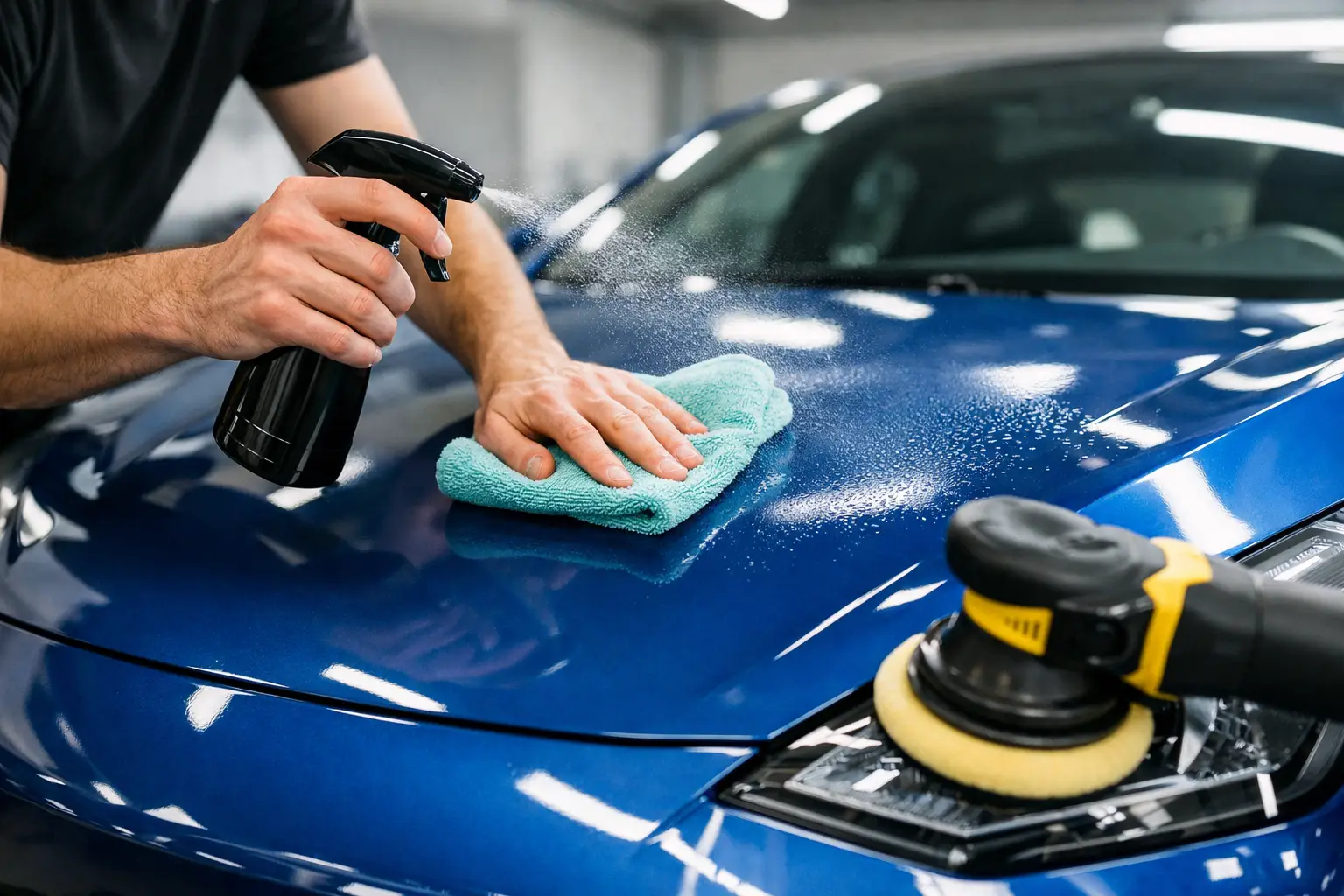
A fresh wrap can make a work truck impossible to miss on I-26, give a boat a sharper profile at the dock, or turn a personal vehicle into exactly what you want it to be. The right vinyl wrap maintenance tips keep that impact going long after installation. In Charleston, heat, humidity, coastal salt, pollen, and daily road grime all put a finish to work. A little consistent care protects the color, edges, and clean professional look you paid for.
For a branded vehicle, that matters beyond appearance. Your wrap is mobile advertising that can earn thousands of views every day. Faded graphics, stained panels, or lifting edges send the wrong message. For personal vehicles and boats, proper care helps preserve the custom look that makes the project stand out in the first place.
Start With the First 48 Hours
Give a newly installed wrap time to settle before its first wash. Adhesive needs time to bond fully, especially around curves, seams, door handles, rivets, and other detailed areas. Avoid washing the vehicle for at least 48 hours unless your installer gives you more specific instructions for your project.
That does not mean a wrapped vehicle has to hide from the weather. Normal driving is fine. Just avoid pressure washing, automatic car washes, waxes, and aggressive cleaning during that initial curing window. If a bird dropping, tree sap, or fuel spill lands on the surface, gently rinse or wipe it away as soon as practical with clean water and a soft microfiber cloth.
Wash Often, But Wash Gently
The best maintenance routine is simple: remove grime before it has time to bake onto the vinyl. For most vehicles, a hand wash every two to four weeks is a solid schedule. A work truck that runs job sites, a food trailer near cooking smoke, or a boat exposed to salt spray may need attention more often.
Use a mild automotive soap, cool or lukewarm water, and a clean microfiber mitt. Work from the top down so dirt does not get dragged across already-clean panels. Rinse thoroughly and dry with fresh microfiber towels or a silicone squeegee made for vehicle surfaces. Letting water air-dry in Charleston sun can leave mineral spots, especially after a quick rinse at home or the marina.
Automatic brush washes are not the best choice for vinyl. Spinning brushes can hold grit from previous vehicles and create fine scratches or catch vulnerable wrap edges. A touchless wash can be a reasonable occasional option, but check the detergents and keep high-pressure spray away from seams, edges, and areas where the vinyl meets trim.
Pressure Washing Without Damaging Edges
Pressure washing is not automatically off-limits, but technique matters. Keep the nozzle at least 12 inches away from the wrap, use a wide spray pattern, and avoid aiming directly at edges, overlaps, or seams. Spray at an angle rather than forcing water toward an edge.
This is especially relevant for fleet vehicles that get washed quickly and frequently. The fastest wash method is only a good investment if it does not shorten the life of the graphics. Ask the wash crew to treat wrapped areas with the same care they would give a freshly painted surface.
Remove Contaminants Before They Set
Charleston roads, parking lots, docks, and job sites all leave their mark. The longer contaminants sit on vinyl, the more effort it takes to remove them safely. Bird droppings, insects, tree sap, fuel, diesel exhaust residue, salt, mud, and construction dust deserve prompt attention.
Start with water and a microfiber cloth. If the material has dried, soak it first rather than scrubbing. A wrap-safe cleaner can help with stubborn road film or bug residue, but skip harsh degreasers, abrasive pads, and household cleaners. Products containing strong solvents, bleach, ammonia, or petroleum distillates can dull the finish, stain the film, or weaken adhesive at the edges.
Fuel spills deserve special attention. At the pump, wipe spilled gasoline or diesel from the wrap right away, then wash the area with mild soap and water when possible. The same goes for sunscreen, insect repellent, and fish-cleaning residue on boat wraps. Those products are common around the Lowcountry, and they should not be left sitting on the surface.
Vinyl Wrap Maintenance Tips for Charleston Heat
Heat is tough on every exterior finish, and dark colors absorb more of it. Whenever possible, park in a garage, covered area, or shaded space. That is not always realistic for a contractor’s truck, a delivery van, or a boat on a trailer, but reducing constant sun exposure helps preserve color and finish over time.
For vehicles that live outside, consider a high-quality cover designed not to rub against the surface. The cover must be clean before it goes on. Covering a dusty vehicle can grind debris into the vinyl, which defeats the purpose.
Protective products can also help, but only use products identified as safe for vinyl wraps. A wrap-safe sealant or ceramic coating can make washing easier and add protection against UV exposure, water spots, and grime. The trade-off is that coatings should be applied correctly and are not a substitute for cleaning. If you are considering a coating, ask about compatibility with your specific finish, particularly matte, satin, chrome, textured, or specialty films.
Matte, Satin, Gloss, and Chrome Need Different Care
Not every wrap should be treated the same way. Gloss vinyl is usually the most forgiving, but abrasive polishing can still damage it. Matte and satin finishes require more discipline because gloss-enhancing waxes, polishes, and some detailing sprays can leave uneven shiny patches that are difficult to correct.
Chrome, metallic, and color-shifting films can show fingerprints, water spots, and scratches more easily than standard gloss film. Use clean towels, light pressure, and products made for the specific finish. Never assume a detail product is safe simply because it is safe for paint.
If you are unsure what was installed on your vehicle, boat, or trailer, do not experiment with a new cleaner on the most visible panel. Test it in a small, inconspicuous spot first or get professional guidance. That small pause can prevent a much bigger repair.
Protect the Edges and Watch for Changes
Wraps do not usually fail without warning. During regular washes, take a quick look at door edges, wheel arches, bumpers, hood contours, trailer corners, and hardware cutouts. These are common high-contact areas where dirt, pressure, and repeated movement can affect the film.
Do not pick at a lifted corner or try to glue it down with a household adhesive. Dirt can get trapped underneath, and the wrong adhesive can make a professional repair harder. Take a photo, keep the area clean and dry, and have an installer inspect it. Early attention may allow a small repair before a larger panel needs replacement.
For commercial fleets, make this check part of the regular vehicle walk-around. Drivers already inspect tires, lights, and equipment. Adding a 30-second visual check for graphics helps protect the advertising asset on every vehicle.
Boat Wrap Care Is a Different Routine
Boat wraps face a different combination of challenges: saltwater, sun reflection, dock lines, trailer bunks, fish residue, and extended periods of storage. Rinse the boat with fresh water after every saltwater outing, paying close attention to the waterline, transom graphics, and areas around hardware.
Use a mild marine-safe wash product and avoid abrasive cleaners intended for heavily oxidized gelcoat. Keep fenders, dock lines, and trailer contact points clean so grit does not rub against the wrapped surface. If the boat stays in the water, regular rinsing and inspection are even more valuable because buildup can develop quickly in coastal conditions.
Know When to Call a Wrap Professional
Some issues are maintenance problems, and some are repair problems. Surface grime, light water spots, and fresh contaminants usually respond to proper cleaning. Tears, deep scratches, major staining, shrinkage, lifting edges, or damage from a collision need a closer look.
A professional can determine whether a panel can be repaired, whether a partial reprint will blend cleanly, or whether replacing a section makes more sense. For business owners, that decision is about brand consistency as much as appearance. A crisp logo and readable contact information keep your vehicle doing its job every mile it travels.
Your wrap was built to get noticed. Treat it like the visible business asset or personal statement it is: wash it with care, deal with contaminants quickly, and address small issues before they grow. When you need local guidance on keeping a wrapped vehicle, fleet, boat, or trailer looking sharp, Charleston Wraps can help you protect the work that turns heads.