
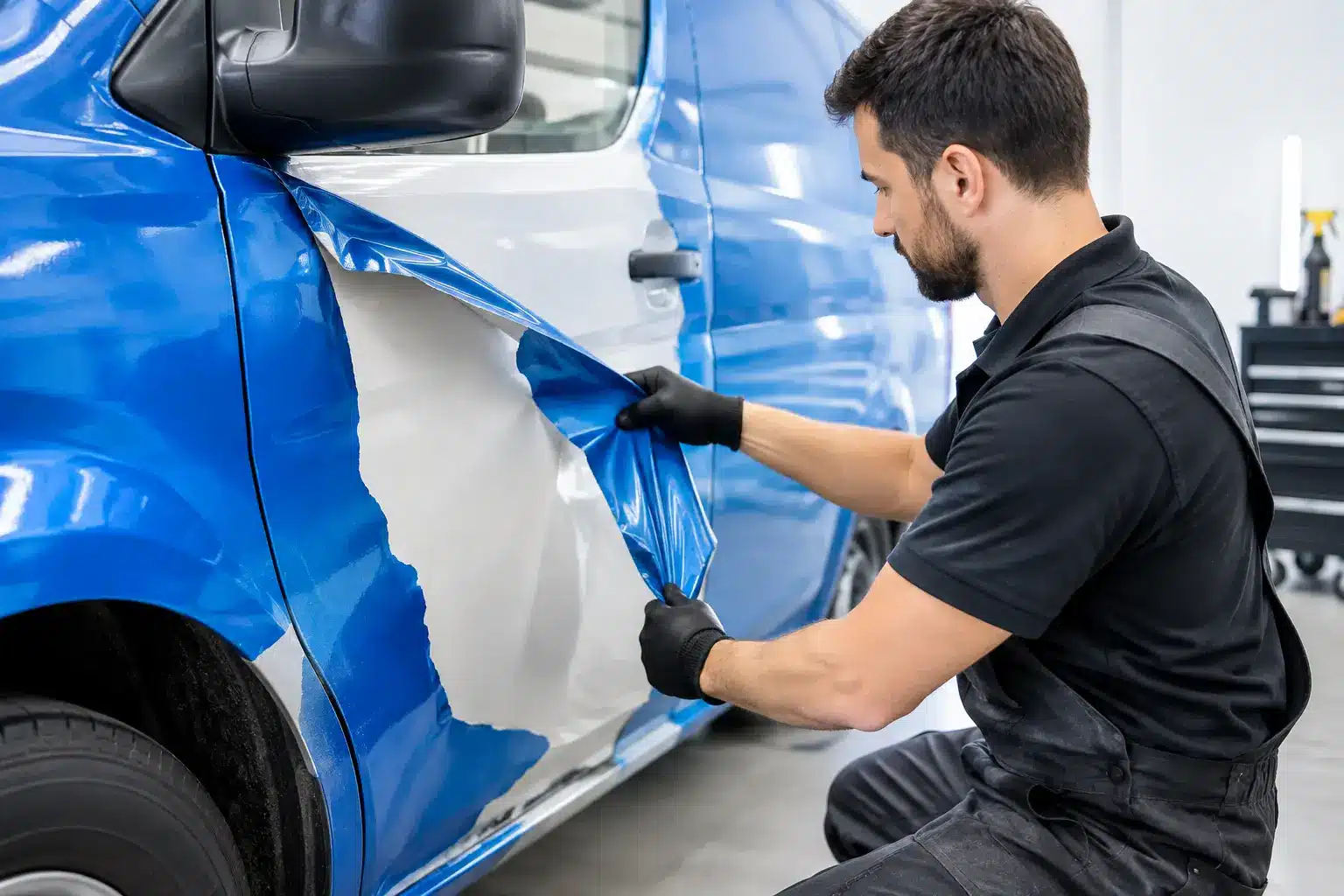
A wrap has done its job when it has earned attention, built recognition, or delivered the look you wanted. When it is time for a refresh, resale, or color change, vehicle wrap removal cost becomes the next practical question. The honest answer is that removal is not one flat-rate service. A clean, well-maintained wrap on a compact car is a very different project than sun-baked graphics on a work truck, trailer, or fleet van.
For Charleston businesses, that distinction matters. Your branded vehicle may have generated thousands of impressions each day, but taking the graphics off correctly protects the asset underneath and gets it ready for its next chapter. Whether that means a new campaign, a new owner, or a completely new look, professional removal is usually the smart way to preserve the vehicle and avoid a much bigger paint-correction bill.
What Is the Average Vehicle Wrap Removal Cost?
Most removal projects are priced after the vehicle is inspected because labor is the biggest variable. The amount of vinyl is only part of the equation. Its age, condition, adhesive strength, exposure to sun, and the surface below all affect how long a technician needs to work.
As a general starting point, partial graphics or simple decals may cost a few hundred dollars to remove. A full wrap on a passenger vehicle commonly falls into a higher range, while large vans, box trucks, trailers, and specialty vehicles can require substantially more labor. If the vinyl is brittle, cracked, heavily faded, or leaving adhesive behind, the price can climb quickly.
That is why a photo alone can be useful for an early conversation, but an in-person look produces the most reliable quote. The goal is not just to pull material off fast. It is to remove the vinyl and adhesive carefully, inspect the finish, and leave the vehicle ready for whatever comes next.
The Factors That Change Vehicle Wrap Removal Cost
Wrap age and exposure
Vinyl is designed to perform outdoors, but it does not stay in the same condition forever. A wrap that is removed within its intended service life usually releases more cleanly than one that has spent years parked in direct sun. Charleston heat, humidity, salt air, and long summer days can speed up fading and make neglected vinyl harder to remove.
Older wraps often become brittle. Instead of lifting off in manageable sections, they may tear into small pieces. That turns what should be a straightforward removal into a detailed, labor-heavy process.
Vehicle size and wrap coverage
A door logo, a partial truck wrap, and a fully wrapped food trailer are not comparable jobs. More square footage means more material to heat, lift, remove, and clean. Complex body shapes also matter. Deep channels, rivets, bumpers, mirrors, handles, roof lines, and recessed areas all take extra time.
Commercial vehicles are especially varied. A cargo van may have broad, relatively simple panels, while a box truck, trailer, or food truck can include corrugated surfaces, service windows, trim, vents, and hardware that demand more careful work. Full coverage across difficult surfaces will naturally cost more than a simple panel graphic.
Vinyl quality and installation history
Premium cast vinyl installed correctly is generally more predictable to remove than low-quality material, outdated films, or graphics applied without proper preparation. The same is true when a wrap has been installed over another wrap, over failing paint, or over bodywork that was not fully cured.
A professional installer can often identify the material and likely removal approach during an inspection. That helps set accurate expectations before work begins. It also avoids a common mistake: assuming every wrap will peel away in one satisfying sheet.
Adhesive residue
The vinyl itself may come off, but adhesive can remain on the paint, glass, or metal. Light residue is manageable. Heavy residue can require additional heat, approved adhesive removers, and careful cleaning to prevent damage to the finish.
Residue is more common with aged vinyl and with wraps that have been exposed to harsh weather for too long. It is also why scraping with blades or using aggressive solvents at home can create a much more expensive problem than the original removal job.
Paint condition before the wrap went on
A vehicle wrap protects factory paint from normal UV exposure, road debris, and minor surface wear. But vinyl is not a cure for existing paint failure. If clear coat was already peeling, paint was poorly repaired, or panels had rust and corrosion before installation, removal can reveal those conditions.
In some cases, compromised paint can lift with the adhesive. A reputable wrap shop will explain that risk upfront. The wrap did not necessarily cause the paint issue, but removing it may expose damage that was already waiting underneath.
Why Professional Removal Is Worth It
A do-it-yourself removal can look tempting, especially when a wrap has started peeling at an edge. The trouble begins when someone pulls cold vinyl, uses a razor blade near paint, overheats a panel, or reaches for an untested chemical cleaner. These shortcuts can scratch clear coat, discolor trim, damage plastic parts, or leave stubborn adhesive across an entire vehicle.
Professional removal uses controlled heat, proper tools, tested cleaning products, and patience around sensitive areas. The technician works panel by panel, assessing how the material is responding instead of forcing it. That approach protects the finish and often saves time compared with trying to correct DIY damage later.
For business owners, there is another advantage: less downtime. A truck, van, or trailer sitting in a driveway with half-removed branding is not working for your company. Scheduling professional removal lets you plan around operations and move efficiently into new graphics, a repaint, or a clean vehicle handoff.
When Removal Should Lead Straight Into a New Wrap
Removing old graphics is often the best opportunity to sharpen your brand. Maybe your company has a new logo, a new service area, updated phone information, or a clearer message. Maybe that plain cargo van is ready to become a mobile billboard that works from the job site to the grocery store.
If new graphics are part of the plan, discuss both projects together. Coordinating removal and installation can reduce downtime and gives the design team a chance to inspect the paint and surfaces before production begins. It also prevents the vehicle from spending weeks unbranded when it could be building local recognition.
A replacement does not have to mean another full wrap. Some businesses benefit from bold partial graphics that make the company name, service, and contact details readable at a glance. Others need full coverage for food trucks, trailers, or fleet vehicles where maximum visibility supports the marketing investment. The right scope depends on the vehicle, your audience, and where it spends its day.
How to Get an Accurate Removal Quote
The fastest way to get a useful estimate is to share the basics: vehicle year, make, model, wrap coverage, approximate installation date, and clear photos of every side. Include close-up photos of peeling edges, cracking, fading, or areas with visible adhesive. For trailers, box trucks, and specialty units, dimensions are helpful because surface area drives labor.
Be direct about paint history, too. If the vehicle has been repainted, repaired after an accident, or has existing clear-coat issues, say so. That information helps a shop plan the work responsibly rather than discovering risks after removal has started.
At Charleston Wraps, a removal assessment can also help you decide whether a fresh commercial wrap, color change, paint protection film, or a simpler graphics package makes the most sense for the vehicle’s next use. The right answer is not always the largest project. It is the option that protects your vehicle and puts it to work for your goals.
Plan Removal Before the Wrap Reaches the Breaking Point
The best way to control removal costs is to avoid waiting until vinyl has severely faded, cracked, and baked onto the vehicle. Keep the wrapped surface clean, avoid harsh pressure washing at lifted edges, and have the wrap evaluated when it begins to show its age. A planned removal is usually more predictable than an emergency cleanup before a sale, lease return, or rebrand deadline.
Your vehicle has carried your message through Charleston traffic, job sites, parking lots, and customer neighborhoods. When it is time to remove that message, treat the process as part of protecting the investment – and as a chance to decide what the vehicle should say next.