
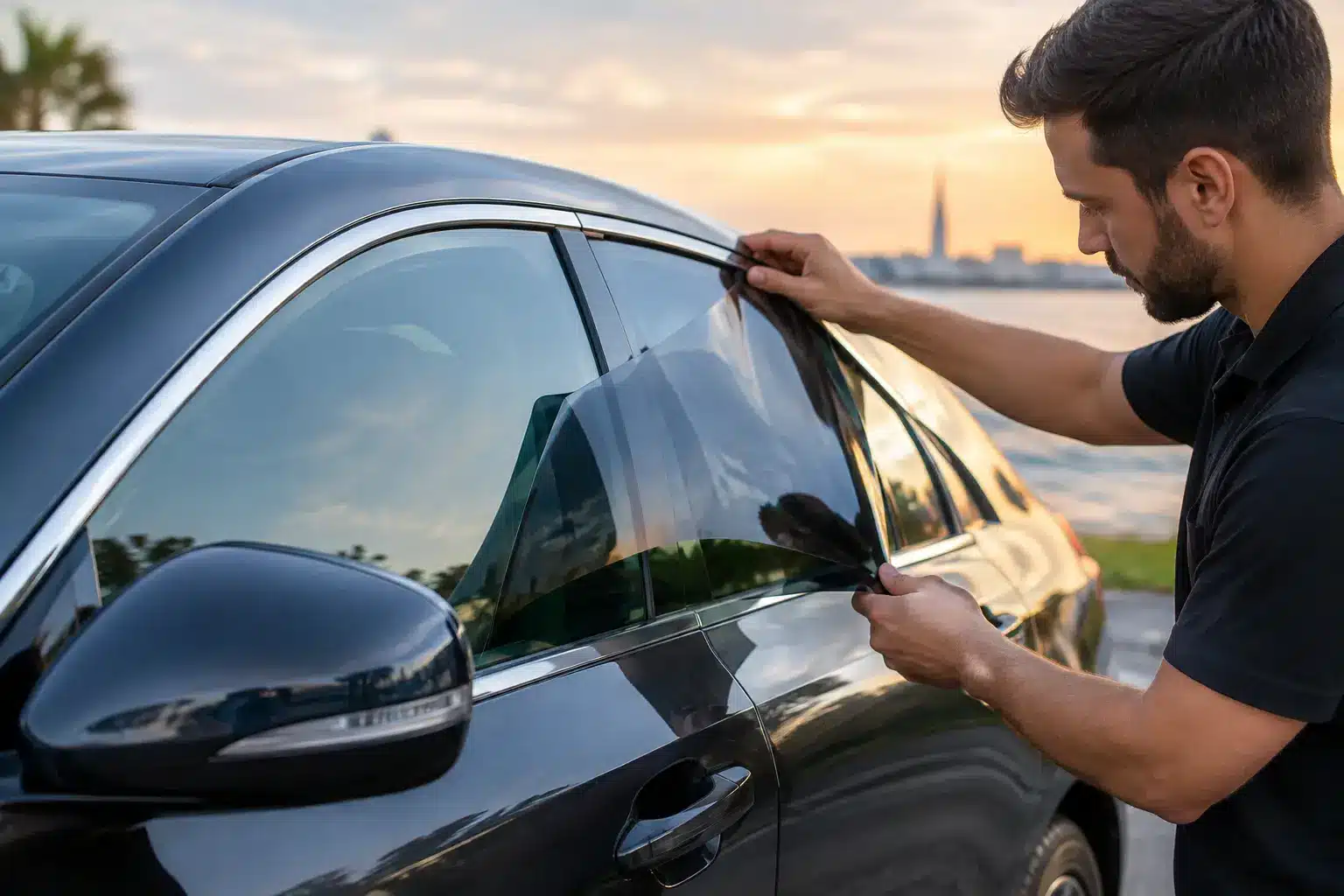
A fresh wash can make almost any vehicle look great. The real test comes after a week of I-26 traffic, a Lowcountry back road, a crowded parking lot, or a boat ramp where gravel seems to find every painted surface. This self healing film review looks at what paint protection film actually does, where it delivers the most value, and what Charleston drivers should expect before putting it on a car, truck, SUV, or van.
Self-healing paint protection film, often called PPF, is not a magic force field. It is a clear, durable urethane film designed to take the abuse that would otherwise land directly on your paint. When minor swirls, light scuffs, and fine scratches affect the film’s top coat, heat from the sun, warm water, or controlled heat can help that top layer level back out. The result is a cleaner-looking finish without constantly correcting the paint underneath.
Self Healing Film Review: What It Gets Right
The biggest reason to choose self-healing film is simple: it protects the parts of your vehicle that are most likely to get hit first. Think bumper covers, hoods, mirrors, rocker panels, door edges, and the area behind the wheels. These surfaces take a steady stream of sand, bugs, loose gravel, road debris, and careless contact from bags, shoes, and other car doors.
A quality film can absorb much of that routine damage before it reaches the factory finish. On a black truck, where every wash mark seems to show in direct sunlight, that difference is especially noticeable. On a new white SUV, the benefit may be less about visible swirls and more about avoiding paint chips that turn into distracting dark marks over time.
The self-healing feature is most valuable for superficial damage. Fine wash-induced marring, fingernail marks around door handles, light brush contact, and minor scuffs can often fade as the film warms. Charleston’s bright sun can help with this, though controlled heat is a better answer when a mark needs attention and the vehicle is not sitting outside.
There is also a practical resale angle. Original paint matters to buyers, appraisers, and enthusiasts. Film can be removed by a qualified professional when the time comes, leaving the protected paint in better condition than an unprotected panel exposed to the same miles. That does not guarantee a resale number, but it can help a well-kept vehicle show better when it is time to sell or trade.
What Self-Healing Film Cannot Do
The phrase “self healing” deserves a reality check. PPF can recover from light surface imperfections. It cannot make a deep gouge, torn film, severe curb rash, or a hard impact disappear. If a rock hits with enough force to puncture the film and damage the paint, the panel still needs repair. The film did its job by taking some of the impact, but it is not invincible.
It also does not erase existing damage. Paint chips, oxidation, deep scratches, peeling clear coat, and poor prior bodywork should be addressed before installation. Clear film tends to preserve what is underneath, including flaws. A professional installer will inspect the paint and explain where prep work is necessary rather than covering a problem and hoping it disappears.
Film is not the same thing as ceramic coating, either. Ceramic coatings can make washing easier and add strong water behavior, but they are much thinner and do not provide the same physical defense against rock chips. PPF is the better choice when impact protection is the priority. A coating may make sense over compatible film for owners who want easier maintenance and added gloss, but it should not be treated as a substitute for protection film.
Where PPF Makes the Most Sense
You do not have to protect every inch of every vehicle. The right coverage depends on how, where, and how often you drive.
For many Charleston-area daily drivers, a front-end package is the smart middle ground. It typically focuses on the front bumper, leading edge of the hood, mirrors, and front fenders – the high-impact areas that collect the most road debris. Drivers who make frequent highway trips, commute long distances, or travel through construction zones may want more coverage along the rocker panels and behind the rear wheels.
A full-body installation makes the most sense for high-value vehicles, newly purchased vehicles, dark paint colors, performance cars, and owners who want maximum preservation. It can also be a strong fit for trucks that regularly see job sites, gravel driveways, hunting land, or trailer use. The cost is higher, of course, but so is the protected surface area.
For fleet and commercial vehicles, the decision is more specific. A work truck does not always need full-body PPF, but protecting leading edges, headlights, handles, and frequent-contact areas can reduce the worn-down appearance that makes a branded vehicle look neglected. If the vehicle carries a vinyl wrap, ask about film and wrap compatibility before planning a layered approach. The order of installation and the materials selected matter.
Boat owners should make the same distinction between appearance and abuse. Marine graphics create the statement. Protection film may be useful on targeted high-contact surfaces, but the material must be chosen for the environment, substrate, and expected exposure. Salt, sun, dock contact, and cleaning methods all change the recommendation.
Charleston Conditions Change the Value Calculation
Charleston driving is not gentle on paint. Humidity and heat are part of the equation, but road conditions are usually the bigger issue. Sand, coastal grit, interstate debris, bridge traffic, and the daily stop-and-go of a growing metro area all add up.
Heat can help activate a self-healing top coat after minor marks, but heat also makes correct installation more important. Film needs a clean, controlled application environment and careful edge work. A rushed install can lead to contamination, lifting edges, trapped moisture, or visible alignment issues that take away from the clean finish owners expect.
Parking habits matter too. A vehicle that spends its days in a tight downtown garage faces a different risk than one that spends weekends on Highway 17 or gets loaded at a job site. That is why a good recommendation starts with your actual vehicle use, not a one-size-fits-all package.
What a Quality Installation Should Look Like
Clear film should protect your paint without becoming the first thing people notice. On a properly installed vehicle, the film is aligned cleanly, wrapped where appropriate, and trimmed with care around contours, sensors, badges, and body lines. Some edges may remain visible up close depending on the panel and installation approach, but they should not look sloppy or distract from the vehicle.
The prep process is where much of the quality lives. Paint must be thoroughly cleaned and decontaminated. Existing chips or scratches should be documented. Panels need to be inspected under good lighting, because dirt or defects hidden under clear film are hard to ignore later.
Do not judge an installation on price alone. Cheaper film, rushed prep, and inexperienced cutting can create problems that cost more to correct than doing the work properly from the start. Ask what areas are being covered, how edges will be handled, what the film warranty covers, and how to care for the vehicle after installation.
Charleston Wraps approaches paint protection as a custom vehicle decision, not an off-the-shelf add-on. The best coverage plan considers your vehicle type, paint condition, daily miles, parking situation, and the places that take the most abuse.
Care That Keeps the Film Looking Clear
PPF is low-maintenance, not no-maintenance. Let the installer’s post-install instructions guide the first few days while the film settles and moisture dissipates. After that, regular hand washing with pH-balanced automotive products is the safest path. Remove bug splatter, bird droppings, and tree residue promptly, especially during hot weather.
Avoid aggressively picking at edges or using harsh abrasives on the film. Pressure washing can be fine when done carefully, but do not hold the nozzle close to an edge or aim directly into a seam. If an area gets damaged, replacing one protected section is often more straightforward than repainting a panel and trying to match the finish.
The best self-healing film is not the one that promises perfection. It is the one that fits how you use your vehicle, protects the surfaces you worry about most, and lets you enjoy the road without treating every tiny scuff like a disaster.